Vegetarian and vegan diets often contain as much iron as omnivorous ones, sometimes more. The difference is how much of it gets absorbed, and that difference is large enough that some guidance suggests aiming considerably higher.
Why is plant iron absorbed less well?
Plants contain non haem iron, mostly in the ferric form, which the gut absorbs poorly. Meat contains haem iron, absorbed through a dedicated route at roughly 15 to 35 per cent.
Non haem absorption ranges from about 2 to 20 per cent and is heavily influenced by the rest of the meal. Plant foods also tend to contain phytates and polyphenols that bind iron further.
The same portion of lentils can deliver several times more or less usable iron depending on what accompanies it.
How much more is advised?
Some guidance suggests vegetarians aim for up to roughly 1.8 times the standard reference intake, reflecting the lower absorption rate.
For a UK woman aged 19 to 50 with a reference intake of 14.8 milligrams, that implies a considerably higher target. Whether the multiplier is precisely right is debatable; the direction is not.
Do vegetarians actually run lower?
Studies generally find similar rates of anaemia between vegetarians and omnivores, with lower ferritin levels in vegetarians.
Lower stores without anaemia is the typical pattern. It matters because it leaves less buffer, so any additional loss such as heavy periods or blood donation tips things over more easily.
There is also evidence that the body adapts, increasing absorption efficiency when stores are low.
Which plant foods are best?
- Lentils, chickpeas and beans, which are among the strongest sources
- Tofu and tempeh
- Pumpkin seeds, cashews and sesame
- Fortified breakfast cereals, which contribute substantially
- Dried apricots and figs
- Dark leafy greens, useful though less so than their reputation suggests
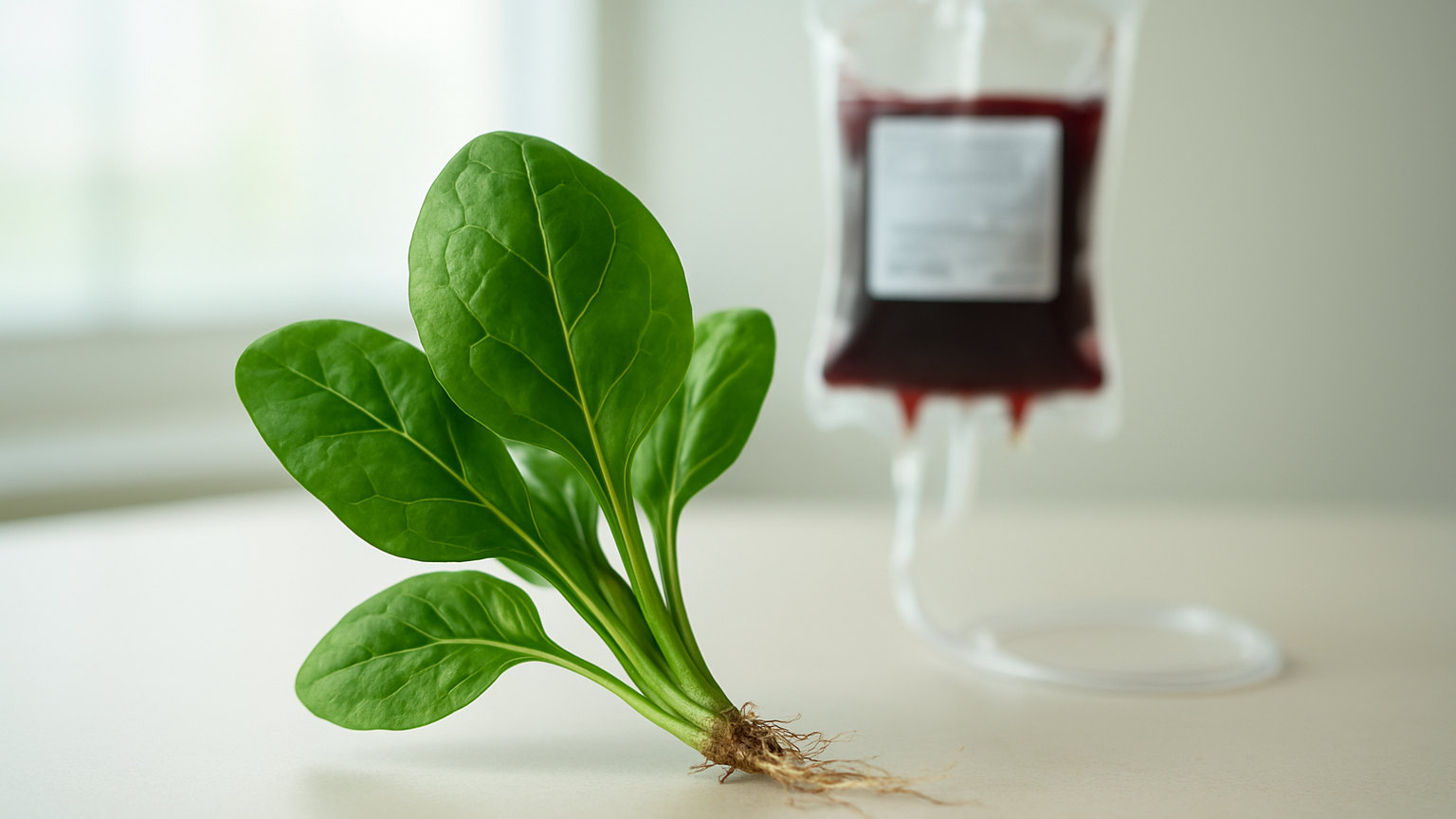
Spinach is a mediocre source despite its reputation, because its oxalate content binds much of the iron it contains.
What makes the biggest difference?
Vitamin C, without question. Adding a vitamin C source to the same meal can increase non haem iron absorption severalfold.
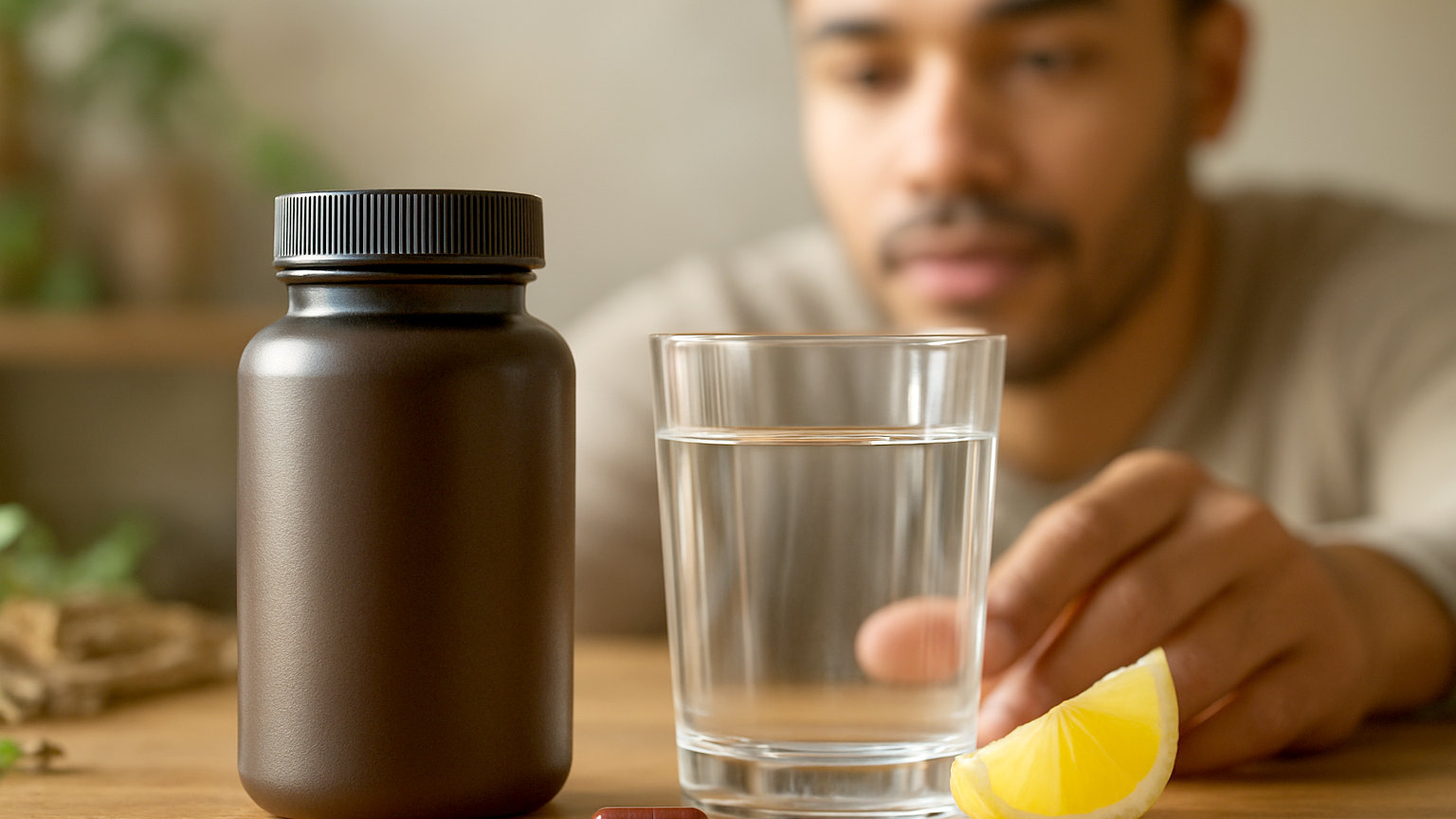
Practical pairings include beans with peppers and tomatoes, lentils with lemon, fortified cereal with strawberries, or a glass of orange juice with a plant based meal.
Moving tea and coffee an hour away from meals is the second most useful change, since tannins substantially block absorption.
Soaking, sprouting and fermenting legumes and grains reduces phytates. Cooking in cast iron adds a small amount, particularly with acidic dishes.
Should you supplement?
Only after testing. Iron accumulates and cannot be excreted, so taking it without a demonstrated need is not harmless.
Ask a GP for a full blood count and ferritin if you have symptoms or belong to another risk group such as menstruating heavily or donating blood.
What else deserves attention?
Vitamin B12 without exception, since plant foods do not supply it reliably. Iodine, zinc, selenium, calcium and omega-3 are also worth planning for on a fully plant based diet.
Zinc absorption faces similar phytate related challenges to iron, so the same preparation methods help both. This article is general information and not medical advice.
Does cooking method matter?
It does. Soaking dried beans and lentils before cooking reduces phytate content, as does sprouting and fermenting. Sourdough bread contains less phytate than standard bread for the same reason.
These are traditional preparation methods that happen to improve mineral availability, and they cost nothing beyond a little planning.
Are plant based iron supplements different?
Not chemically. Supplements described as plant based or food based generally contain the same non haem iron compounds, sometimes at lower doses alongside plant extracts.
Check the elemental iron content, since these products often contain considerably less than a standard supplement and may not be adequate for treating a diagnosed deficiency.
The practical summary is that plant based diets can supply adequate iron perfectly well, and doing so requires attention to combinations rather than simply eating more iron rich food. Vitamin C at the same meal is the single most effective change available.