Marshmallow root is one of the older remedies still in common use, and its mechanism is unusually straightforward.
What is marshmallow root?
The root of Althaea officinalis, a marshland plant, unrelated to the modern confectionery that borrowed its name.
Marshmallow root is rich in mucilage, a gel forming carbohydrate that swells in water and coats surfaces.
What do people take it for?
Sore throats and dry irritating coughs, which is the best established use.
Digestive irritation including reflux, gastritis symptoms and general stomach discomfort.
It also appears in products marketed for gut lining support.
How does it work?
The mucilage forms a protective film over irritated tissue, which reduces the sensation causing coughing and soreness.
This is a physical effect rather than a pharmacological one, which is why it acts where it makes contact.
What does the research show?
Direct trial evidence is limited, and marshmallow root preparations carry traditional herbal registrations in the UK for cough and sore throat.
That reflects long use and acceptable safety rather than demonstrated efficacy.
How is it taken?
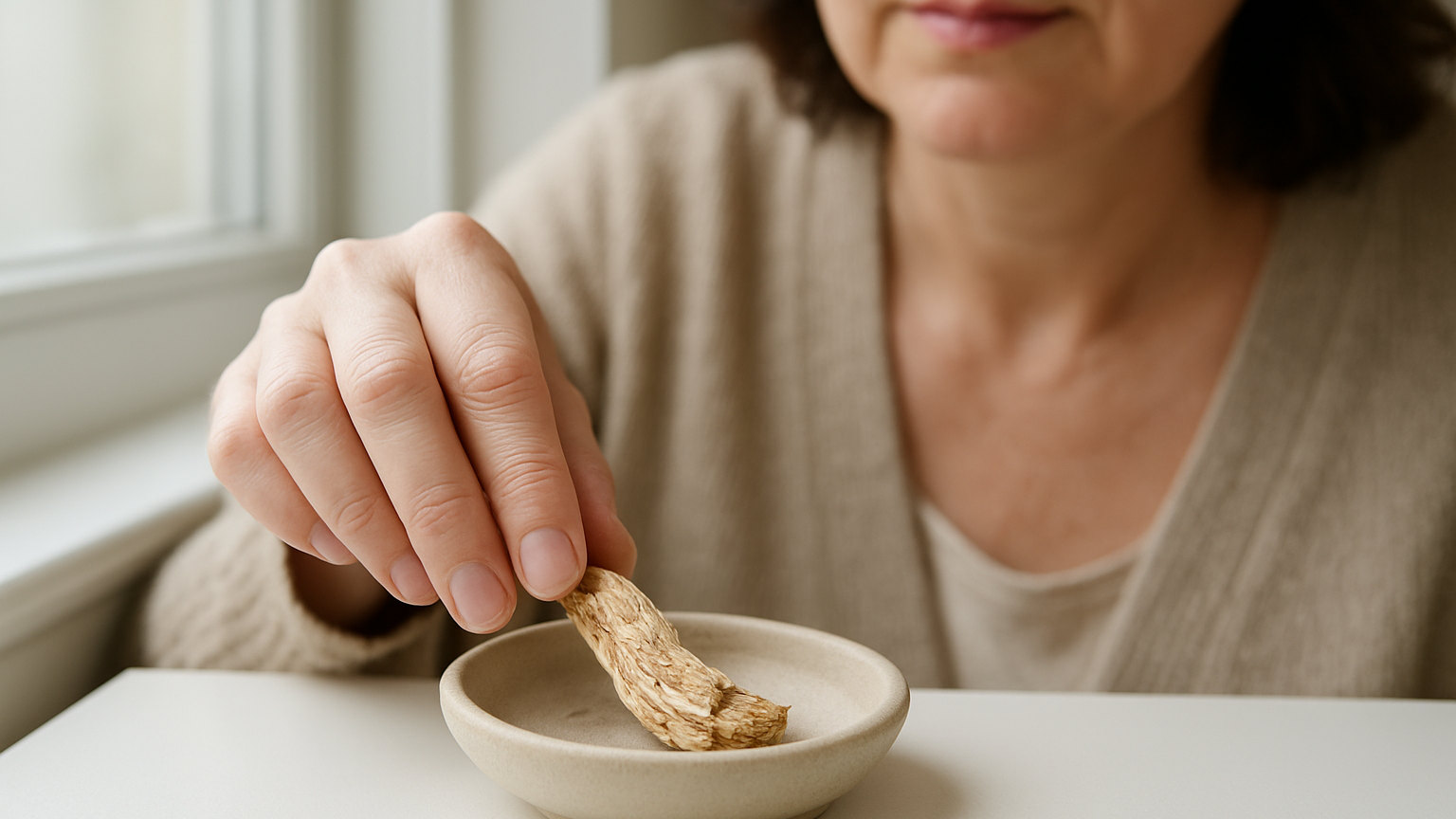
As a syrup, a lozenge, a cold water infusion or capsules of powdered root.
Cold infusion is traditional, since heat degrades some of the mucilage.
Why does spacing matter?
Because a coating that protects tissue also slows absorption of anything else in the gut at the same time.
Marshmallow root should be taken at least a couple of hours apart from medicines, particularly those where dose matters precisely.
Who should be careful?
- Anyone taking medicines with a narrow therapeutic range
- People with diabetes, since it may affect blood glucose
- Pregnant and breastfeeding women, where safety data is limited
- Anyone with swallowing difficulties, given the gel forming property
What are the side effects?
It is generally well tolerated, with occasional stomach upset reported.
Adequate fluid should be taken with it, as with any mucilage containing product.
How does it compare with slippery elm?
Both work through mucilage and are used similarly, and marshmallow root is more sustainably sourced.
Neither has strong trial evidence behind it.
When should you see a GP?
A cough lasting more than three weeks, difficulty swallowing, a sore throat with a high fever, or persistent digestive symptoms.
Soothing a symptom is not the same as identifying its cause.
Is it worth taking?
For a dry irritating cough or sore throat it is a low risk option with a plausible mechanism.
Registered products provide better assurance about quality than unregistered ones.
What is the summary?
Marshmallow root is taken for sore throats, coughs and gut irritation, works by coating tissue, and should be spaced apart from medicines.
This article is general information and not medical advice.
What is the difference from the sweet?
Confectionery marshmallows were originally made using the plant, and modern versions contain none of it.
Eating marshmallows has no medicinal effect whatsoever.
What should you check on a label?
The plant part, since root and leaf differ, and the preparation type.
Registered products state their dosing and carry appropriate warnings.
Who might it suit?
Someone with a dry irritating cough or sore throat wanting a low risk option, spaced apart from any medication.
It is among the gentler herbal products in common use.
What should you expect?
Symptomatic relief while it is in contact with the tissue, rather than a lasting effect.
That is what a coating agent does.
What does marshmallow root illustrate?
That a simple physical mechanism can produce genuine symptomatic relief without any pharmacological activity at all.
It also explains why the same property affects absorption of anything else present.
Mechanism and caution follow from the same property.
Anyone taking regular medication should build the two hour gap into their routine.
Morning medicines and an evening dose of marshmallow root usually works.
Marshmallow root is among the least problematic herbal products in common use.
The spacing rule is the only practical consideration for most people.
It is one of the few herbs where the mechanism is entirely uncontroversial.