
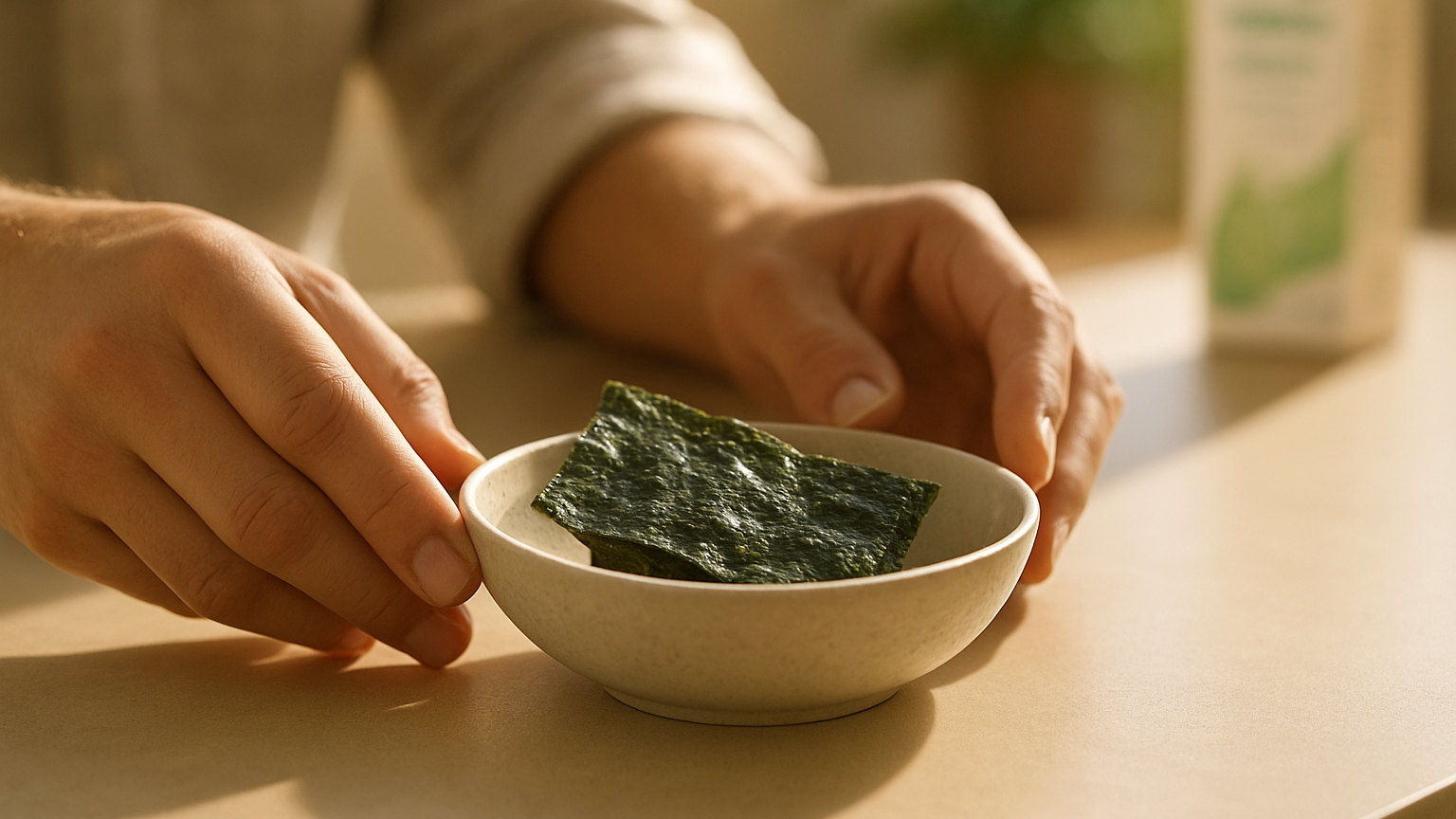
Iodine is arguably the most overlooked nutrient on a plant based diet. Vitamin B12 gets the attention, iron and calcium are widely discussed, and iodine is frequently missed entirely despite being at least as difficult to obtain.
Why does removing dairy matter so much?
Because milk and dairy supply a larger share of UK iodine intake than any other food group. Removing them typically removes the majority of someones iodine.
Fish is the other major source, so a diet excluding both leaves eggs, which many plant based diets also exclude, and very little else.
Plant foods contain iodine only in proportion to soil content, which varies enormously and cannot be relied upon.
Are plant milks a substitute?
Usually not, and this is the single biggest misunderstanding. Research examining UK plant milks found iodine content to be a small fraction of that in cows milk, with most brands unfortified.
Some manufacturers have since added iodine, and it remains far from universal. Organic plant milks are frequently unfortified because of organic certification rules.
Checking the nutrition panel for iodine specifically is the only reliable approach, since fortification with calcium and B12 does not imply iodine has been added.
What does the research show about vegan iodine status?
Studies measuring urinary iodine in vegans have consistently found lower levels than in omnivores, with many falling below thresholds indicating adequate intake.
Some studies have found vegans to have both the lowest and, among seaweed consumers, the highest iodine intakes in the same population, which reflects the all or nothing nature of the available sources.
Is seaweed the answer?
It is a source and a difficult one to use safely. Iodine content varies enormously between species and batches, and kelp in particular can supply thousands of micrograms in a single gram.
The upper limit is 600 micrograms a day, so a small amount of the wrong seaweed can exceed it many times over. UK advice suggests eating seaweed no more than once a week.
Nori is considerably lower and more predictable than kelp, and even nori varies. Relying on seaweed to hit a target of 140 micrograms is difficult without overshooting badly.
What actually works?
- A supplement providing 140 to 150 micrograms of iodine as potassium iodide
- Fortified plant milks, where the label confirms iodine specifically
- Iodised salt, where you can find it and within salt reduction advice
- Nori in moderate amounts, as a contribution rather than a plan
A plain iodine supplement at the reference intake is the most reliable and predictable option, and it is inexpensive.
Why avoid kelp supplements?
Because the dose is unpredictable. Analyses of kelp products have found iodine content varying widely from what the label states, sometimes by large multiples.
Cases of thyroid dysfunction have followed kelp supplement use. A product stating a specific microgram amount of potassium iodide is far safer.
Does it matter more at some life stages?
Considerably. Pregnancy and breastfeeding raise requirements, and iodine is critical for fetal brain development in a way that cannot be corrected later.
Anyone following a plant based diet who is pregnant, planning pregnancy or breastfeeding should ensure iodine is covered and discuss it with a midwife or GP.
What else needs attention?
Vitamin B12 without exception, plus iron, zinc, calcium, selenium, vitamin D and omega-3. Iodine belongs firmly on that list and is frequently absent from it.
A dietitian referral through a GP is worthwhile if you are unsure. This article is general information and not medical advice.
Is this a reason not to eat plant based?
No. It is a reason to plan, in the same way that B12 requires planning rather than arguing against the diet.
A supplement costing a few pounds a year resolves it entirely, which is a small adjustment relative to the effort people put into other aspects of their eating.
How would you know if you were short?
Probably not from symptoms, since mild insufficiency is usually silent. There is also no good individual test, as urinary iodine reflects recent intake rather than status.
Dietary reasoning is more useful here than testing. If dairy, fish and eggs are absent and nothing has replaced them, the shortfall can be assumed rather than measured.


