
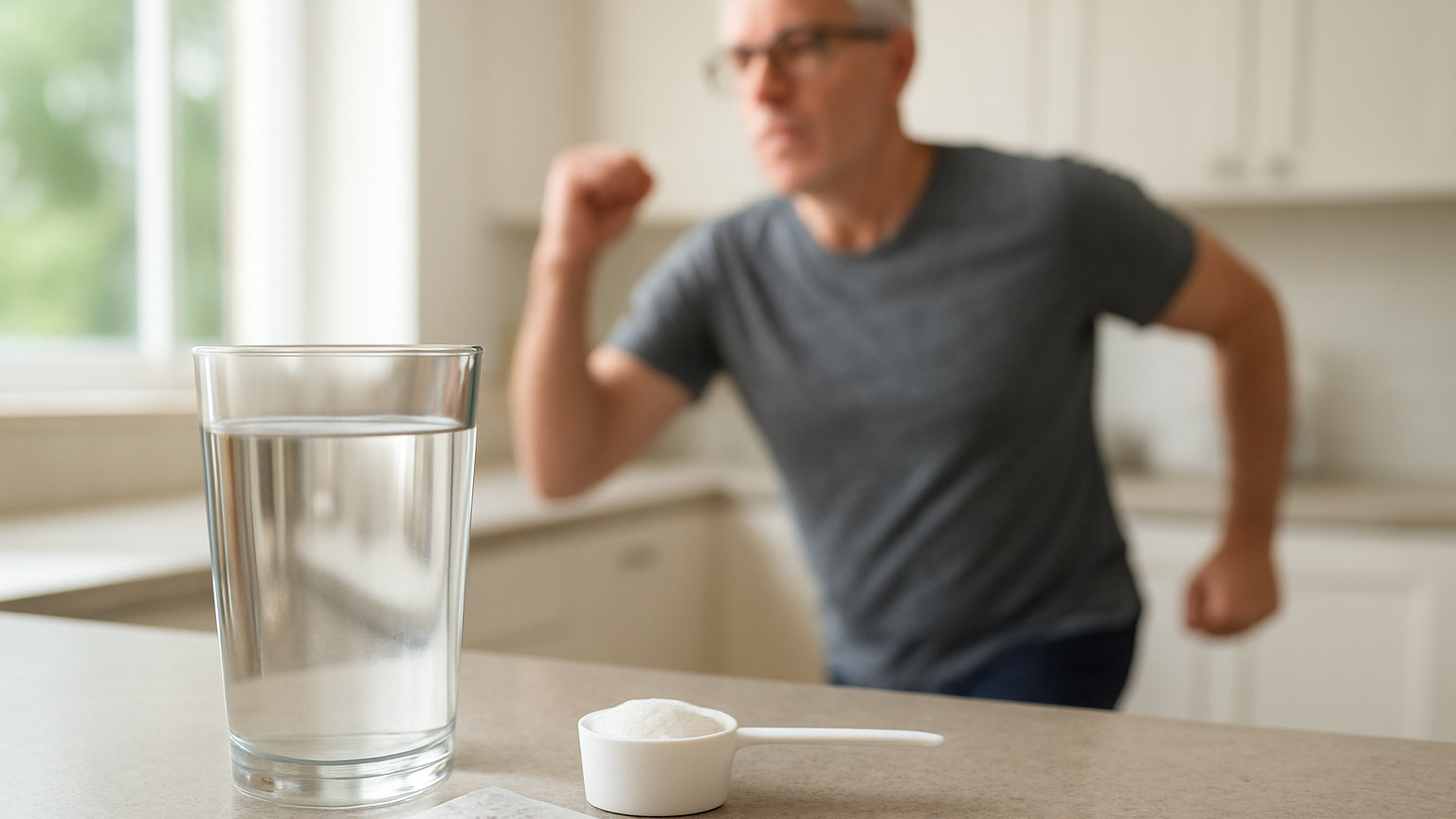
Oral rehydration salts are a genuine medical intervention rather than a wellness product. The formulation exploits a specific biological mechanism and has been described as one of the most important medical advances of the twentieth century.
What is the mechanism?
The intestine has a transporter that moves glucose and sodium together across the gut wall. Water follows by osmosis.
This pathway keeps working during diarrhoeal illness even when other absorption is impaired, which is what makes oral rehydration possible when it would otherwise fail.
The glucose is not there for energy. It is there to carry the sodium, and the ratio between them matters.
Why does the ratio matter?
Too little glucose and sodium absorption is impaired. Too much and the excess draws water into the gut, worsening diarrhoea.
The World Health Organization formulation has been refined over decades, and the current reduced osmolarity version was shown to reduce vomiting, stool output and the need for intravenous fluids compared with the earlier formula.
When should they be used?
- Diarrhoea, particularly in children and older adults
- Vomiting with poor fluid intake
- Gastroenteritis of any cause
- Any illness with significant fluid loss
They are particularly important in young children, where dehydration develops quickly and is a leading cause of death from diarrhoeal illness worldwide.
How do they differ from sports drinks?
Substantially. Sports drinks contain more carbohydrate and less sodium, since they are designed to fuel exercise rather than to treat dehydration from illness.
Using a sports drink for gastroenteritis is less effective, and the higher sugar concentration can worsen diarrhoea by drawing water into the gut.
The two products look similar and are formulated for opposite problems.
Should you make your own?
Recipes exist and getting the proportions wrong is genuinely risky, particularly for young children where too much salt can be dangerous.
Commercial sachets are inexpensive, widely available and correctly formulated. For children especially, use a proper product rather than a homemade mixture.
How should they be used?
Made up with the specified volume of water, following the packet instructions exactly, and sipped frequently in small amounts rather than drunk quickly.
Small frequent sips are better tolerated when someone is nauseated and reduce the likelihood of vomiting the fluid straight back.
When is medical help needed?
Signs of significant dehydration warrant urgent assessment, particularly in children and older adults.
These include reduced urine output, drowsiness, sunken eyes, dry mouth, rapid breathing, cold hands and feet, and in babies a sunken soft spot on the head.
Blood in stools, persistent vomiting preventing any fluid intake, high fever or symptoms lasting more than a few days also need medical advice.
Contact NHS 111 or a GP if you are concerned. This article is general information and not medical advice.
Why was this such an important development?
Because before oral rehydration, severe diarrhoeal dehydration required intravenous fluids, which need equipment, sterile supplies and trained staff.
Oral rehydration can be given by a parent at home with a sachet and clean water, which transformed outcomes in settings where intravenous treatment was unavailable. It has saved an enormous number of lives.
Does it stop the diarrhoea?
No, and that is not its purpose. It replaces fluid and salts lost while the illness runs its course, preventing the dehydration that causes most of the harm.
Understanding this prevents people from concluding it has failed because the diarrhoea continues.
What about zinc?
Zinc supplementation alongside oral rehydration is recommended by the World Health Organization for childhood diarrhoea in many settings, since it reduces duration and severity.
This applies particularly where zinc deficiency is common, and it is not part of standard UK practice for otherwise healthy children.
What is the summary?
Oral rehydration salts are a properly designed medical product for a specific job, and they are not interchangeable with sports drinks despite looking similar.
Keep a few sachets at home, particularly if you have young children, since they are cheap and are exactly what you want when someone is unwell.


