
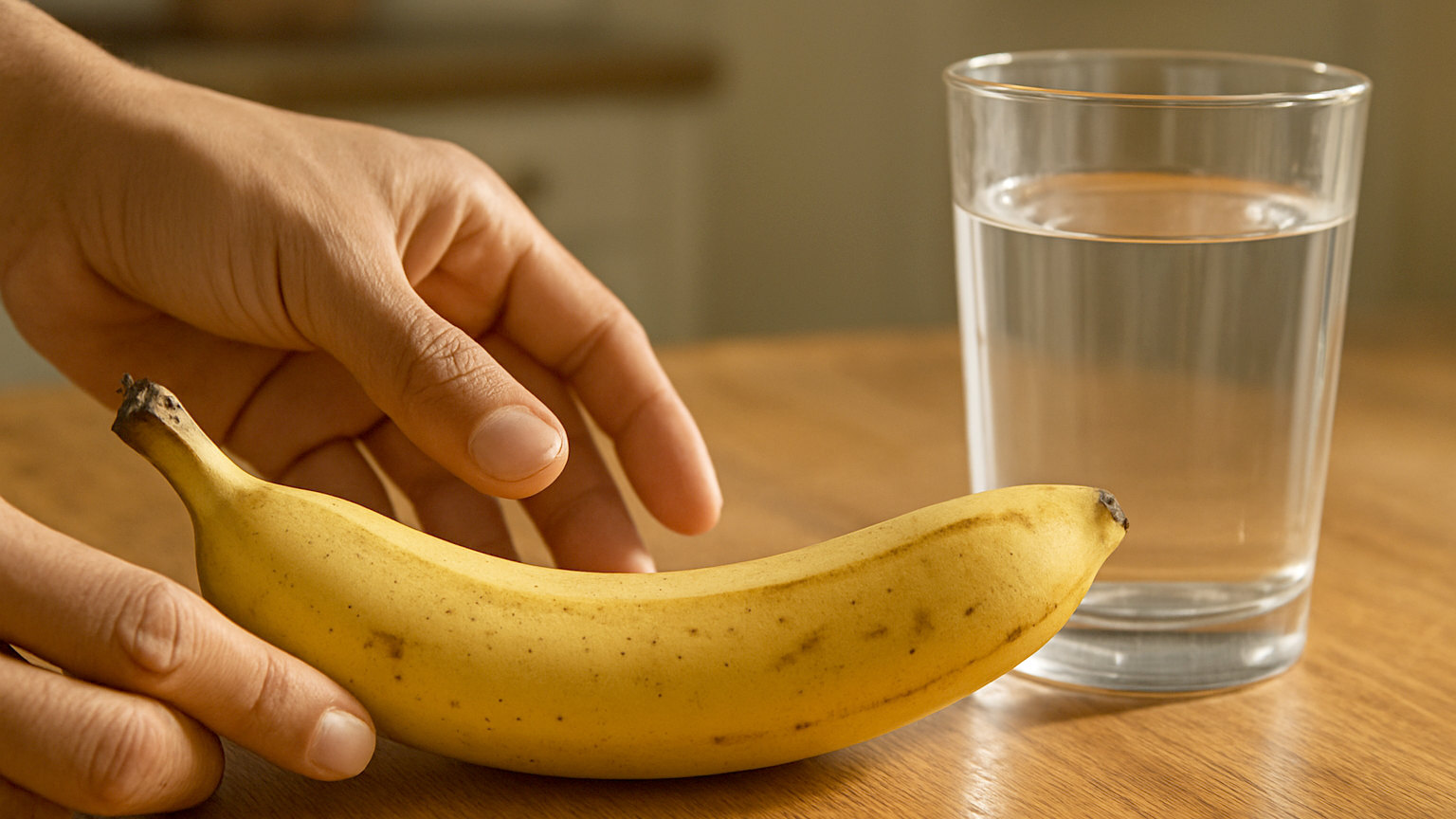
Electrolyte drinks have moved from sports nutrition into everyday use, marketed for hangovers, tiredness, hot weather and general wellbeing. For most of those situations, water and ordinary food do the job perfectly well.
When do they genuinely help?
- Endurance exercise lasting more than about an hour, particularly in heat
- Heavy sweating over prolonged periods, including manual work in hot conditions
- Significant vomiting or diarrhoea, where oral rehydration salts are the right product
- Illness with fever and poor fluid intake
- Specific medical conditions affecting electrolyte handling
The common thread is substantial fluid and sodium loss over a sustained period, not a mild sense of tiredness or a warm afternoon.
What about ordinary exercise?
For sessions under an hour, water is generally sufficient. Sweat losses over that period are modest and easily replaced by a normal meal afterwards.
Guidance from sports nutrition bodies typically places the threshold for carbohydrate and electrolyte drinks at around 60 to 90 minutes of continuous moderate to vigorous exercise.
Below that, an electrolyte drink is adding sodium and sugar you did not need to a body that was managing fine.
Why is UK sodium not usually the issue?
Because average UK salt intake is around 8 grams a day against a recommended maximum of 6, meaning most people are consuming more sodium than advised before touching a supplement.
A normal meal containing bread, cheese or anything processed replaces sweat sodium comfortably. The idea that sodium is scarce in a modern diet does not match the data.
What about potassium and magnesium?
Sweat contains far less potassium and magnesium than sodium, so losses of these through exercise are small.
Electrolyte products often include them in modest amounts, which does no harm and addresses a shortfall that was not substantial in the first place.
UK potassium intakes are frequently below the reference figure, and food rather than a sachet is the sensible remedy.
Do they help with hydration generally?
Sodium does help retain fluid, which is genuinely useful after heavy sweat losses. It is why oral rehydration solutions contain it.
For someone mildly under-hydrated on an ordinary day, water works and the body handles the rest.
What about hangovers and tiredness?
Dehydration contributes to hangover symptoms and is not the whole picture, which also involves acetaldehyde, inflammation, disrupted sleep and congeners.
Rehydrating helps somewhat, and an electrolyte drink is not meaningfully better than water and a meal for that purpose.
Tiredness has many causes and electrolyte imbalance is rarely among them in healthy people.
Is there any harm?
For most people, no, beyond cost. Anyone with high blood pressure should note the sodium content, and people with kidney disease or on certain heart medicines should be cautious about added potassium.
This article is general information and not medical advice.
Why has the market grown so much?
Because hydration has been successfully reframed as something requiring management rather than something the body does automatically. That framing sells products.
It also benefits from being difficult to disprove personally. Someone who drinks an electrolyte sachet and feels fine cannot know whether they would have felt the same without it.
What do the products typically contain?
Sodium in varying amounts, smaller quantities of potassium and magnesium, sometimes calcium, and often flavourings and sweeteners. Some include carbohydrate and some do not.
The sodium is the ingredient doing most of the work where these products genuinely help, which is worth knowing when comparing an expensive sachet with a pinch of salt and a glass of squash.
Is there a simple test?
Ask whether you have lost substantial fluid and sodium over a sustained period. If the answer is no, water and food will cover it.
Exercising for 40 minutes, feeling tired at work, or waking up dehydrated after a night out do not meet that threshold, however the products are marketed.
What is the honest summary?
Electrolyte drinks are useful for prolonged heavy sweating and for illness with fluid loss, and largely unnecessary otherwise. The threshold is higher than the advertising suggests.
For everyday use, water and a varied diet cover it, and the sodium in these products is the one nutrient most people already consume too much of.


