
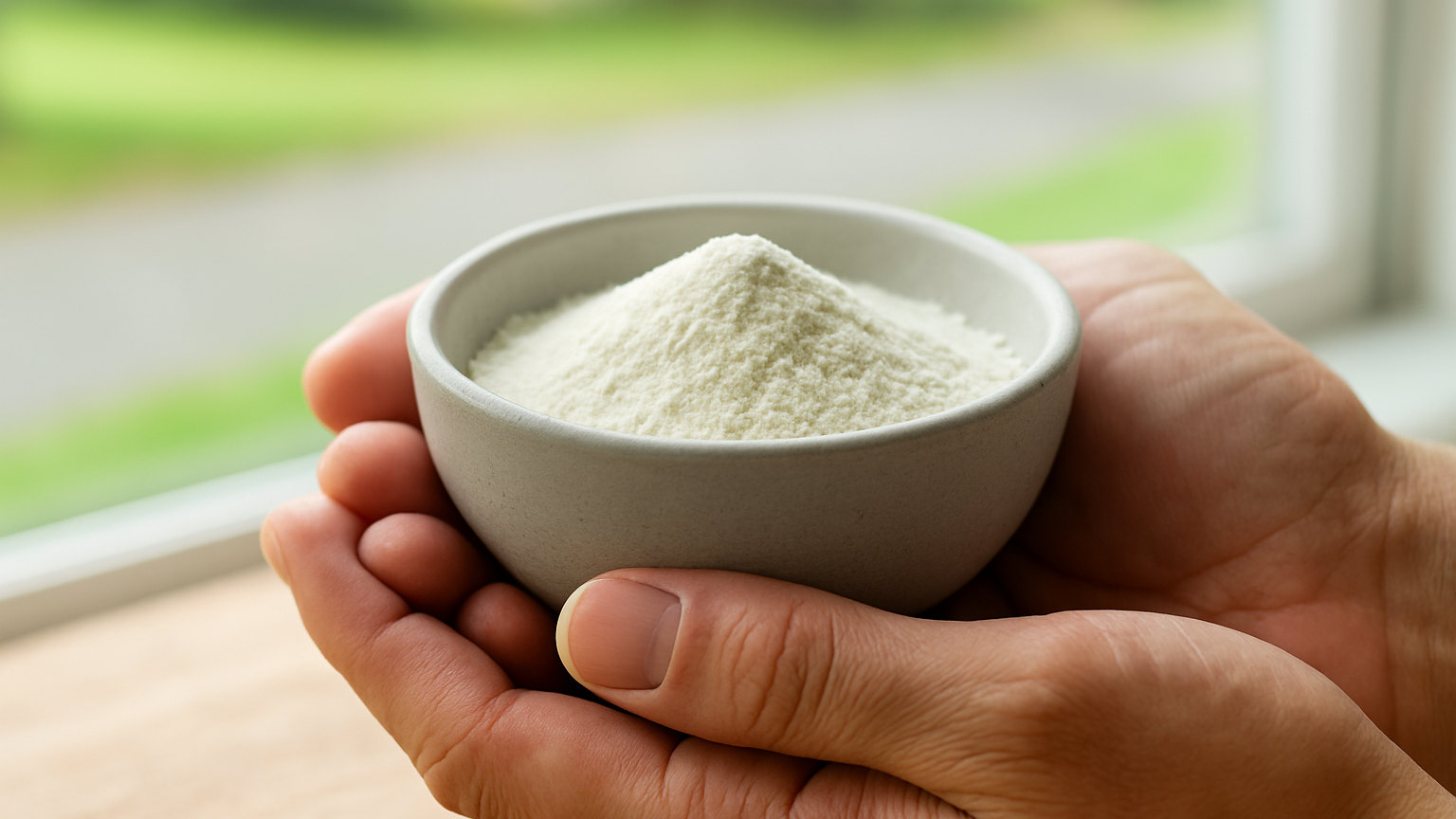
Calcium excess is almost entirely a supplement problem. Reaching harmful intakes from food is difficult, because absorption efficiency falls as intake rises and dietary calcium arrives gradually.
What is the upper limit?
Guidance commonly sets around 2500 milligrams a day from all sources as the tolerable upper intake level for adults, with some bodies using 2000 milligrams for people over 50.
UK advice suggests supplemental calcium above 1500 milligrams daily may cause stomach pain and diarrhoea. The reference intake for comparison is 700 milligrams.
What are the early effects?
- Constipation, which is the most common complaint by a wide margin
- Bloating, wind and abdominal discomfort
- Nausea and reduced appetite
These are unpleasant rather than dangerous and often prompt people to stop, which is a reasonable response. Splitting doses and taking supplements with food both help.
What happens with genuinely excessive intake?
Blood calcium rises above the normal range, a state called hypercalcaemia, which affects nerve, muscle and kidney function.
Symptoms include excessive thirst, frequent urination, nausea, fatigue, confusion and muscle weakness. Severe cases cause heart rhythm disturbance and kidney failure.
Kidney stones are the more common serious consequence, and the Womens Health Initiative trial found a measurable increase in stones among women taking calcium and vitamin D.
What is milk alkali syndrome?
A combination of high blood calcium, alkalosis and kidney impairment, historically caused by treating ulcers with large amounts of milk and antacids.
It has reappeared in modern form, sometimes called calcium alkali syndrome, in people taking large amounts of calcium carbonate supplements or antacids, occasionally alongside vitamin D.
Pregnant women taking calcium carbonate for indigestion are a recognised group, since heartburn is common in pregnancy and antacid use can become heavy.
Who is most at risk?
People with primary hyperparathyroidism, sarcoidosis or another granulomatous condition, all of which raise calcium independently.
Those with chronic kidney disease, where calcium handling is impaired. Anyone taking thiazide diuretics, which reduce calcium excretion. People with a history of kidney stones.
Anyone taking high dose vitamin D alongside calcium, since vitamin D increases absorption and the combination is what drives blood calcium up.
Where does excess come from?
Stacking, usually. A calcium supplement, a multivitamin, an antacid taken regularly and fortified foods can together exceed the ceiling without any single source looking excessive.
Antacids in particular are easy to overlook, since they are taken for a different reason and many contain substantial calcium carbonate.
How can it be avoided?
Total everything you take, including antacids and fortified products. Keep individual supplement doses at or below 500 milligrams of elemental calcium and split larger totals.
Prioritise food sources where possible, since dietary calcium is absorbed more gradually and has not been associated with the same problems.
What should you do if concerned?
Stop high dose calcium and see a GP if you develop persistent thirst, frequent urination, confusion, nausea or loin pain. A blood test measuring calcium settles the question quickly.
Report suspected reactions through the MHRA Yellow Card scheme. This article is general information and not medical advice.
How is high blood calcium treated?
By stopping the source, increasing fluids and, in more serious cases, hospital treatment to lower calcium. Investigating the cause matters, since hyperparathyroidism and some cancers also raise calcium.
Recovery is usually complete if it is identified before kidney damage occurs, which is why persistent thirst, confusion or loin pain should not be ignored.
Can you get too much from food?
Very difficult. Absorption efficiency falls as intake rises, and food calcium arrives gradually rather than as a concentrated dose.
Reported cases of calcium excess almost always involve supplements or antacids rather than dairy, however much of it someone eats.
What is the practical summary?
Keep total calcium from all sources below around 2000 to 2500 milligrams daily, split supplement doses, take carbonate with food, and count antacids and fortified products in the total.
Excess calcium is one of the more avoidable supplement problems, because it almost never arises from food and almost always arises from products taken without adding them up.


